

Executive Assistant
An Executive Assistant manages the scarcest resource in the organization: a senior executive’s attention. Not their calendar — their attention. What reaches it, what is held back, what was asked for three weeks ago, and whether it ever arrived. Almost every tool sold to this role helps with the calendar. The harder half of the job is knowing the state of everything the executive has set in motion across departments that report to other people — and today that knowledge lives in one person’s inbox and memory. KanBo changes what the EA delivers. Instead of assembling a briefing that is stale the moment it is sent, the EA curates a live view of the executive’s own commitments, prepared with an assistant that reads the same record.

What an executive actually needs
Ask a chief executive what they want from their assistant and the answer is rarely “a summary.” It is five questions, asked continuously.
What needs a decision from me, and by when. What has gone wrong, or is about to. What did I promise someone and not deliver. What did I ask for and not receive. And, for any of those, enough context to decide without calling a meeting. None of those can be answered from a calendar. All of them can be answered from a record of commitments with owners, dates and dependencies — which is what changes when the executive’s world is coordinated rather than described.

What needs you
The queue that only the executive can clear
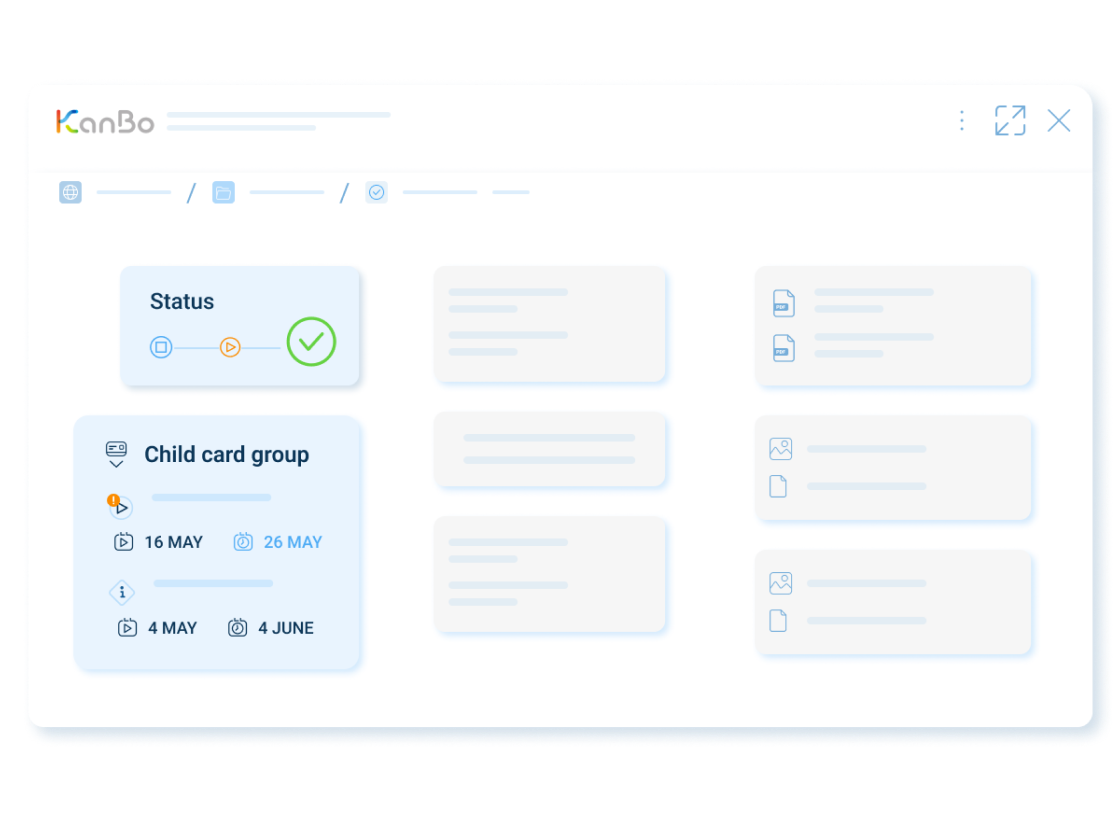
Items waiting on the executive’s decision, with what depends on each and when it becomes urgent. The EA curates the order. The executive sees a short list rather than a long briefing.

What is at risk
Bad news, before it is late news
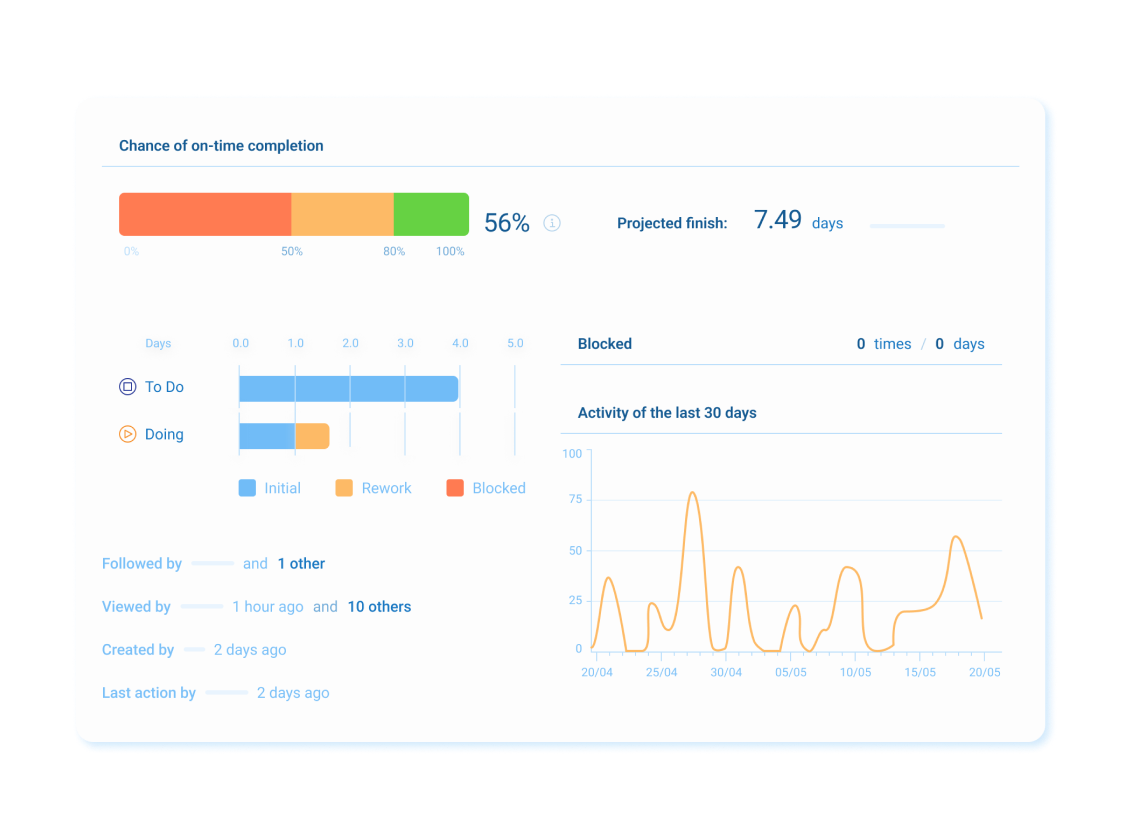
Blocked items, missed dates and dependency conflicts across every programme the executive sponsors. Surfaced as they happen rather than assembled for a Monday meeting, which is usually two days after it mattered.

Owed, and owing
Both directions of every commitment
What the executive undertook to deliver, and what others undertook to deliver to them. Each with a named owner and a date, so the follow-up is a fact both parties can see rather than a call from the executive’s office.

Enough to decide
The reasoning, not just the item
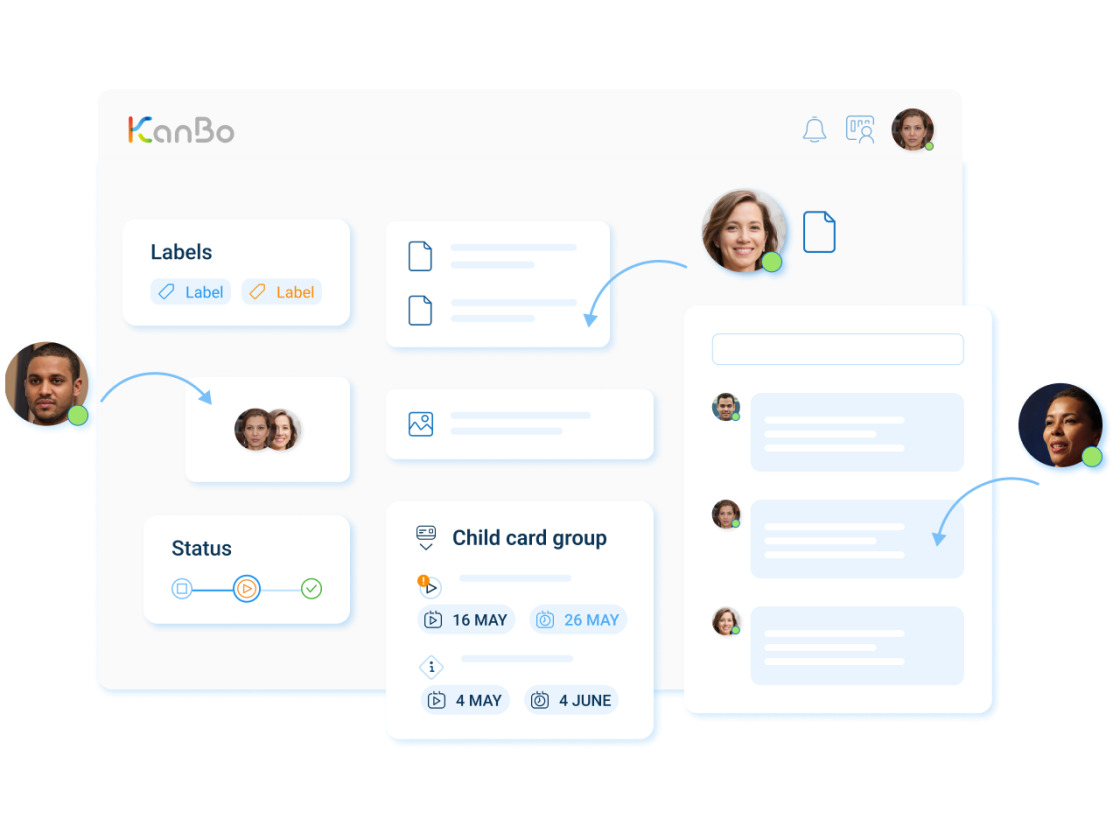
Every item carries its history, its documents and the discussion that produced it. The executive’s follow-up question is answered by opening the card, not by the EA going back to four people.
A day in the life of an Executive Assistant
Three habits that disappear, and what replaces them.
Step 1 — The assistant now has an assistant
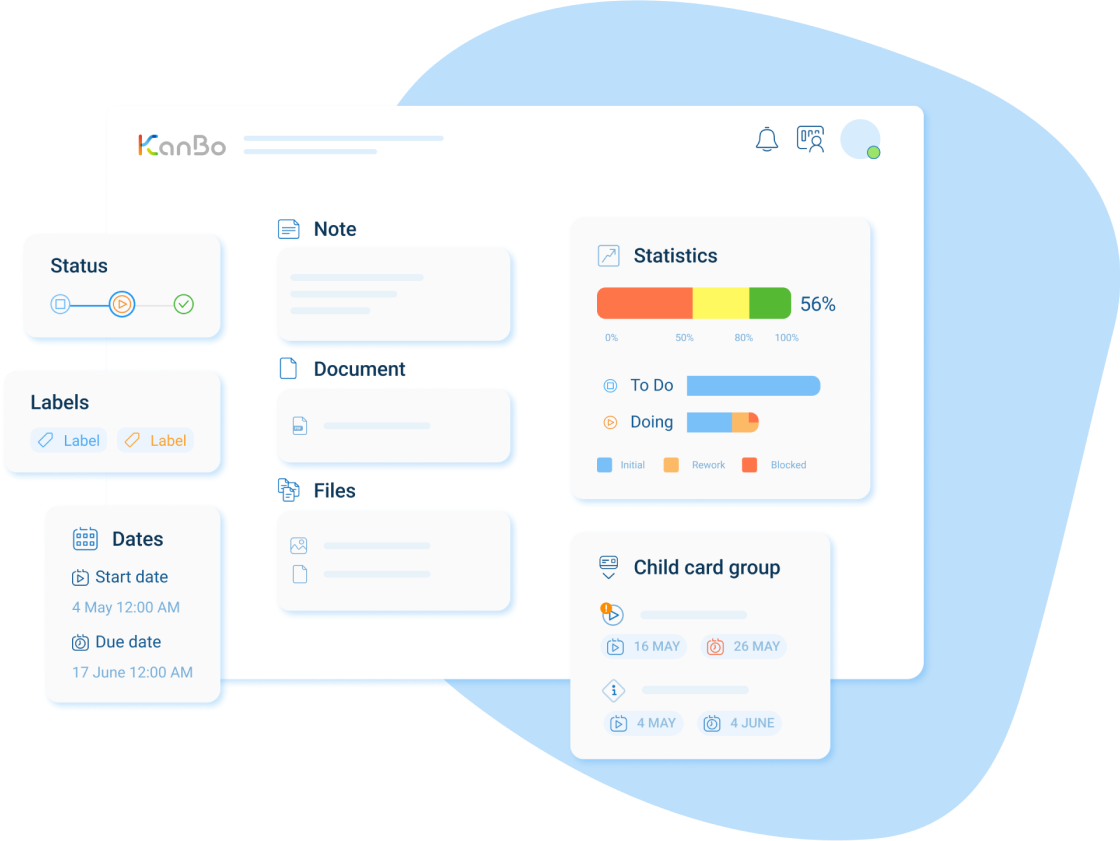
This is the part that is genuinely new. The EA works with an AI agent connected to KanBo over MCP — not a chatbot answering general questions, but an agent reading the organization’s own live record of work, under an identity whose permissions the organization has set. The EA asks it the questions they would otherwise have spent the morning chasing: what changed since Friday across these programmes, what is blocked and on whom, what is due before Thursday’s board meeting, what is still waiting on him, which of last month’s commitments has gone quiet. The agent reads owners, statuses, dates, dependencies and blockers across every space it is permitted to see, and comes back in minutes with a draft. Then the human takes over, and this is the important half. The EA reads what the agent produced and applies the judgement no agent has: this one is technically overdue but harmless, that one is not flagged at all and will detonate on Thursday, this needs him personally and that needs a two-line reply from someone else. The agent proposes; the EA decides; nothing reaches the executive that the EA has not chosen to send. The same rule holds when work goes the other way. An agent can draft an update or set up the follow-up cards, but a person confirms it, and the Responsible Person on every card stays a named human being. Accountability never moves to the agent — which is exactly why this is deployable in a large organization rather than merely impressive in a demo.
Step 2 — The brief is a view, not a document
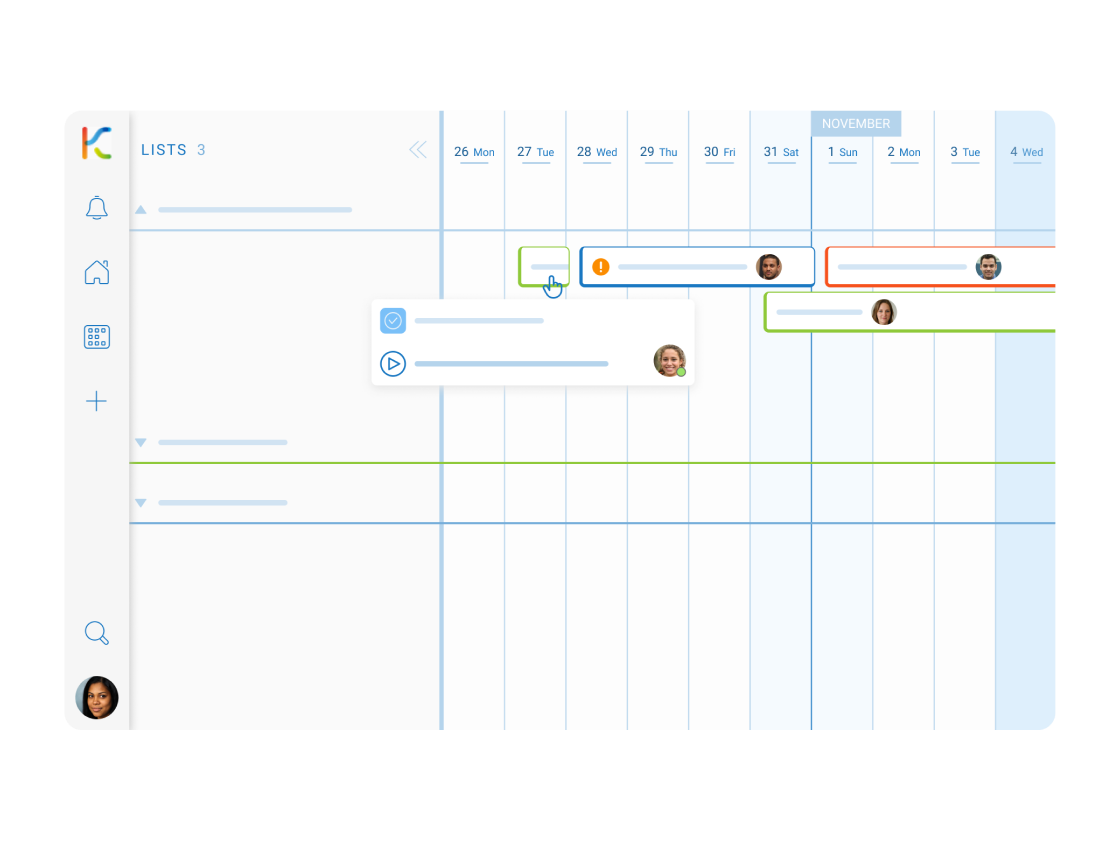
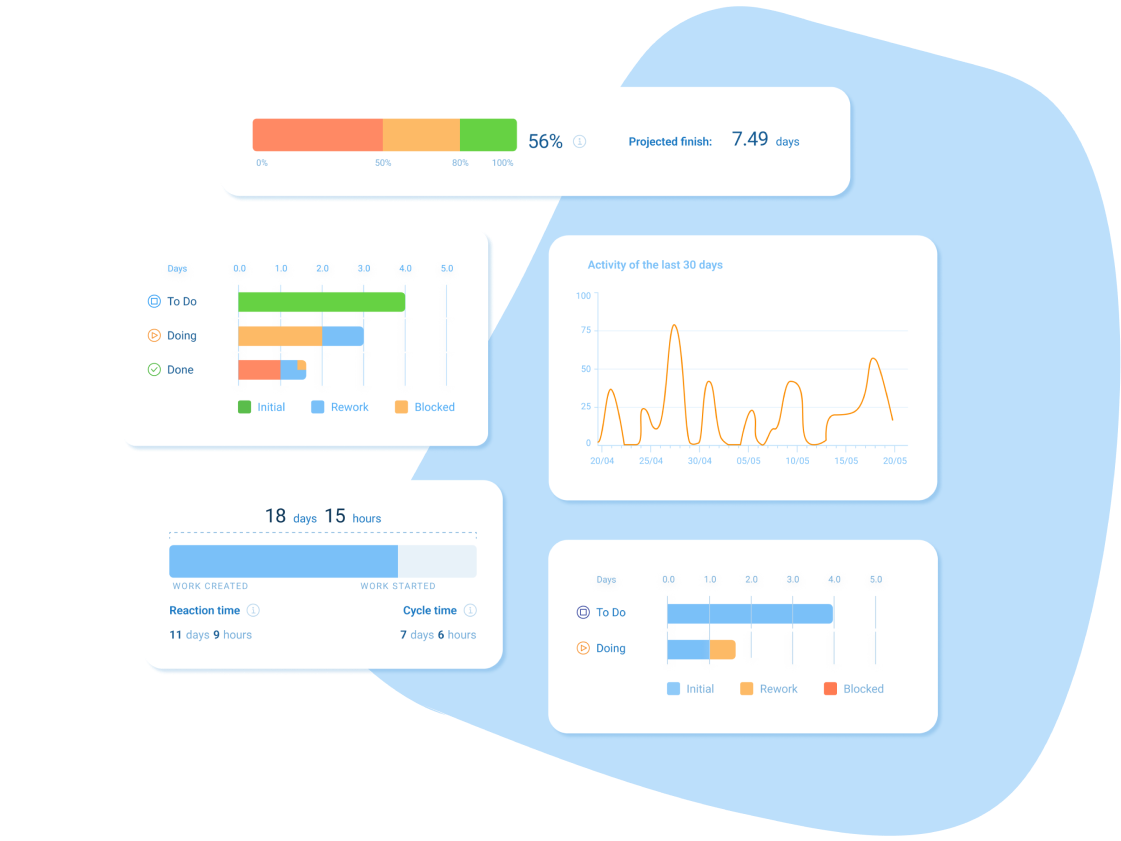
What reaches the executive is not an email summarising fifteen items. It is a short note on what needs them, alongside a curated space holding the actual items — the same cards their teams are working in, not copies. Opening one shows the owner, the dates, the dependency that is holding it up and the document under discussion. A summary answers the first question and creates the next three. Direct access answers all four.
Step 3 — The follow-up meeting mostly stops being necessary
Much of the recurring time between an executive and their assistant exists to establish facts. When the facts are already visible and current, that time either shrinks or turns into the conversation it should have been: what to prioritise, whom to push, what to decline.
The end of the daily brief
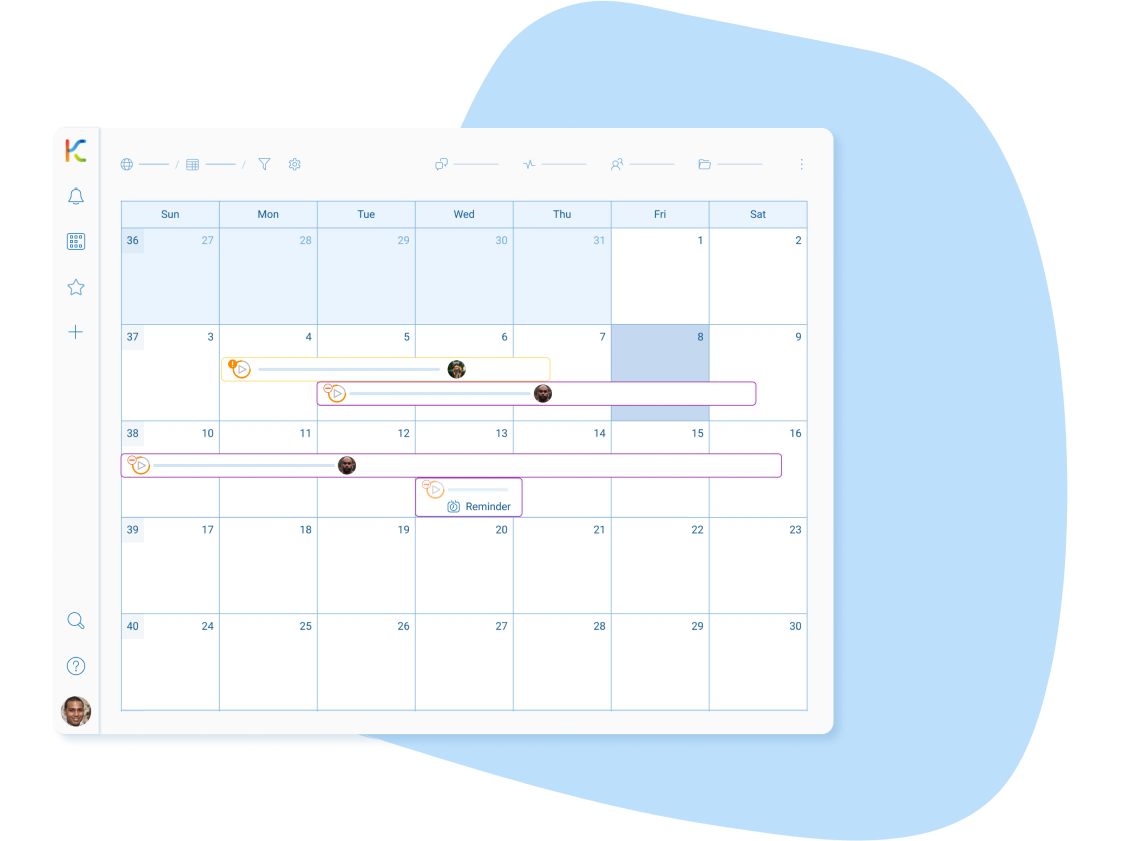
The daily brief, the status email and the Monday catch-up all share one flaw: they are snapshots. Each is accurate at the moment of writing, degrading from then on, and it cannot be interrogated. Every follow-up question routes back through the assistant, which is exactly the bottleneck the brief was supposed to relieve. Peter Drucker’s argument in The Effective Executive is the useful frame. Time is the one genuinely scarce and non-substitutable resource, and effective executives begin by finding out where it actually goes rather than where they assume it goes. That is impossible when the only instrument is a document written by someone else, yesterday. Replacing the brief with curated live access is a real break in habit, and it should be treated as one. It also changes what the EA is for: less production of information, more judgement about what deserves attention — which is the part nobody else in the organization can do.

Mirror cards
The same item, in the executive’s view
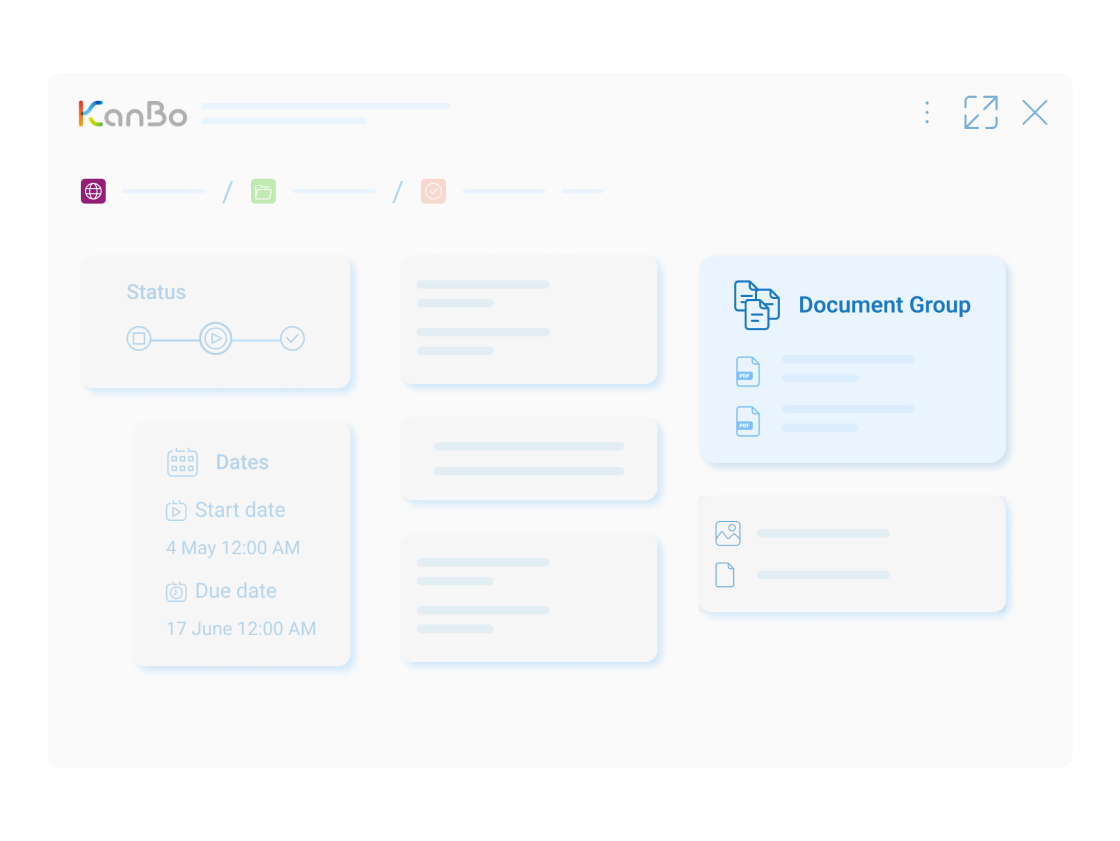
A mirror card places the actual work item in the executive’s space — not a copy, not a summary. When the owner updates it, the executive is looking at the update. Curation replaces compilation.

MCP
An agent that does the sweeping
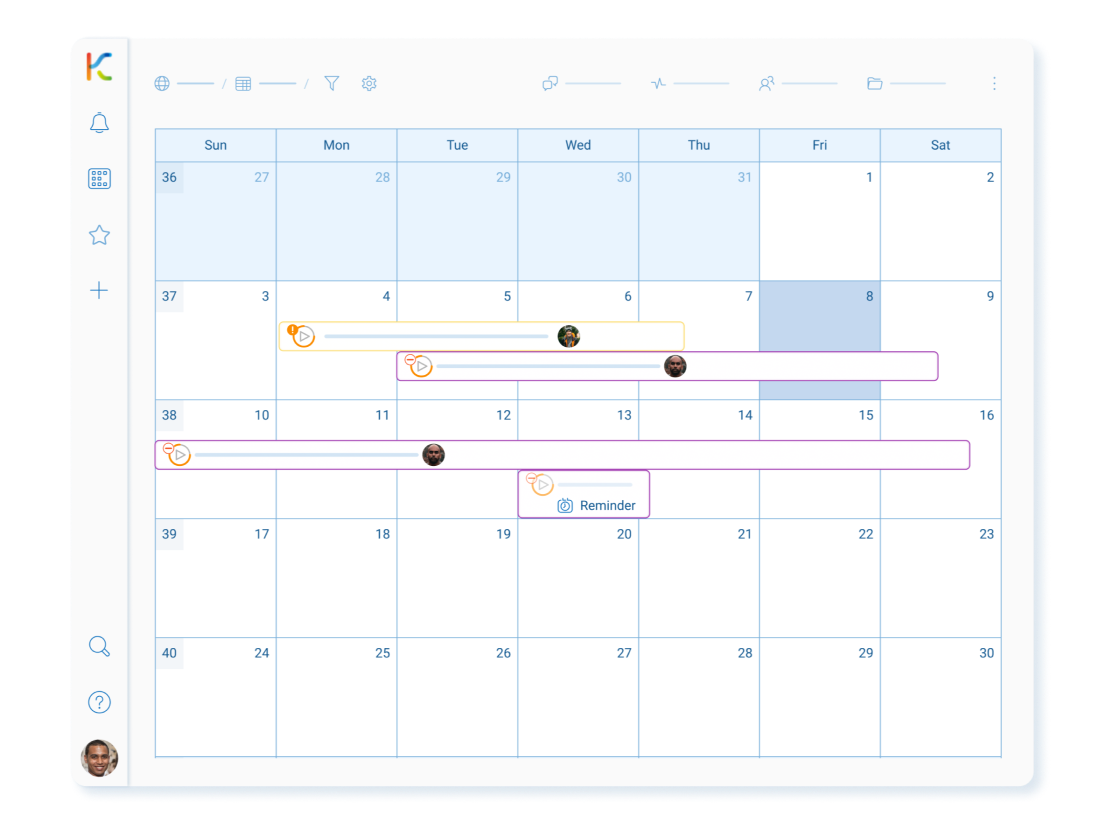
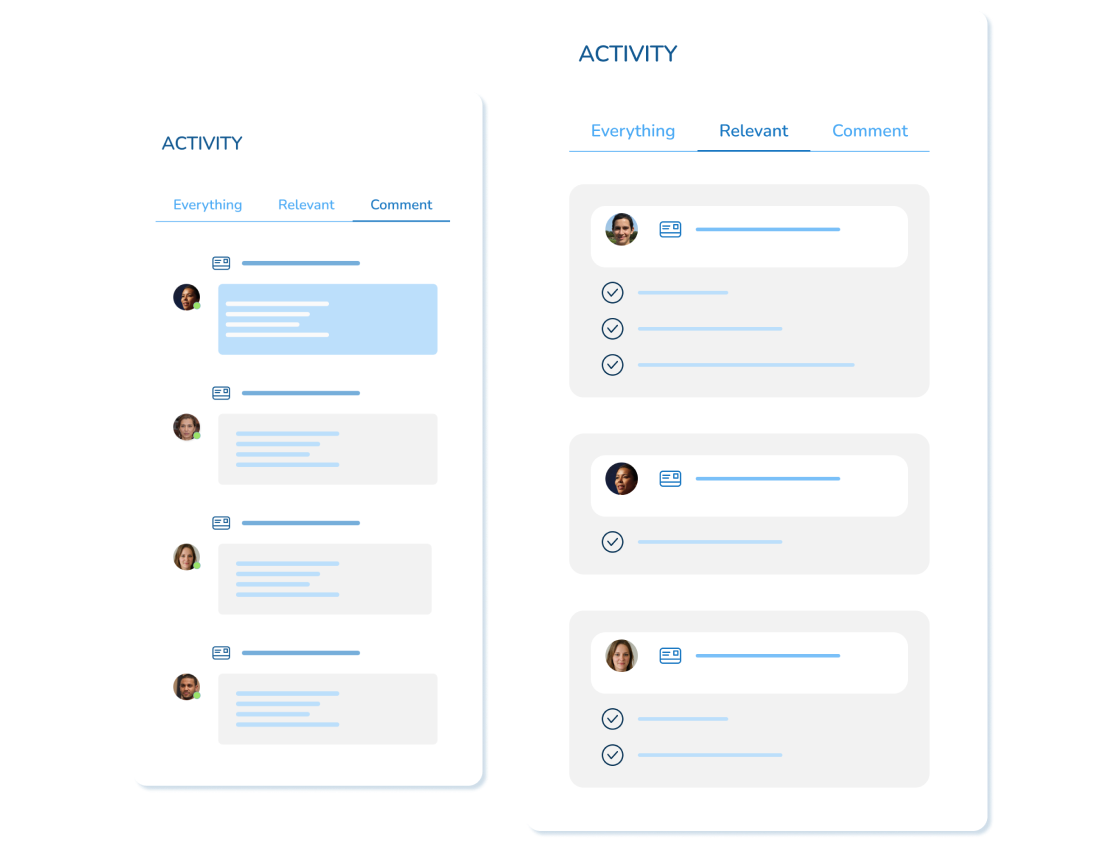
An AI agent connected over MCP reads live state — owners, dates, blockers, dependencies — and drafts what would have taken a morning of chasing. It sees only what its granted identity permits, and a person decides what happens next.

Personal spaces and Outlook
Where the executive already looks
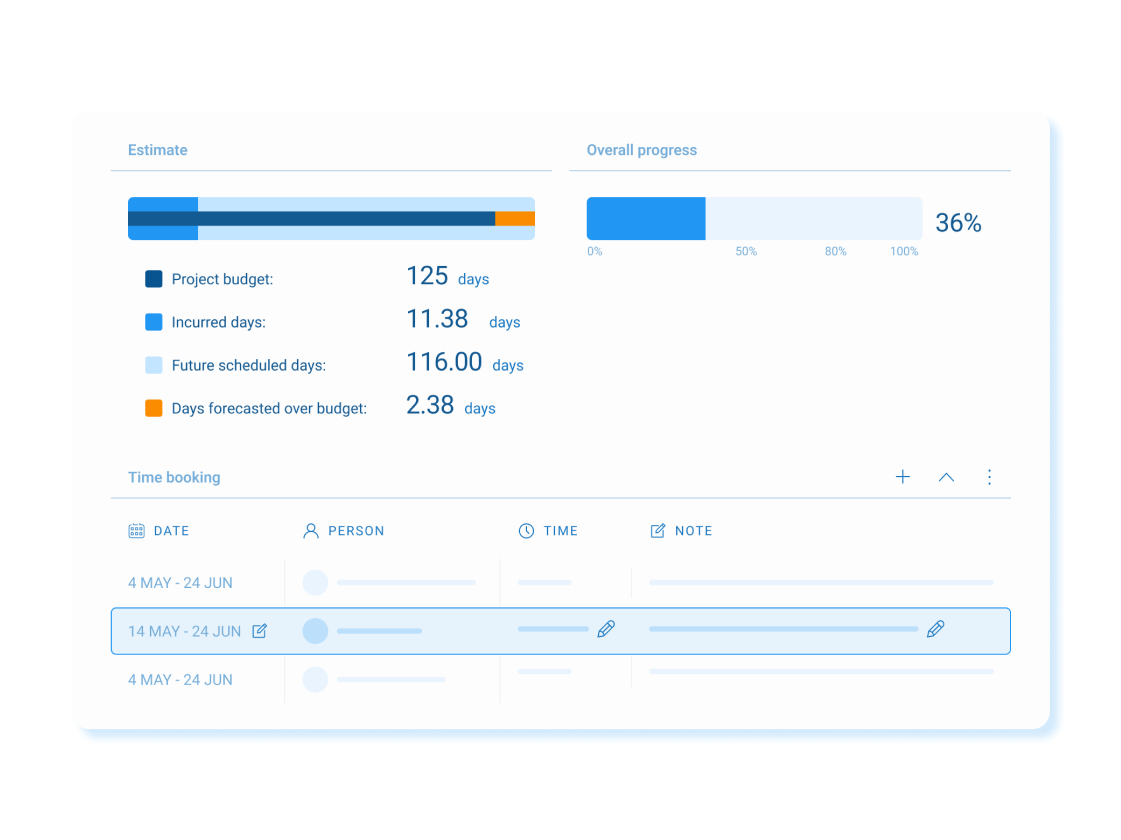
Each person keeps their own working view of the cards they care about, and KanBo dates can appear in Outlook as tasks, as appointments, or not at all. No new place to check.

Spaces and permissions
Some work must not be visible
Spaces can be private and closed, with access granted across six permission levels. A personnel matter, a search or a transaction is invisible to everyone outside it — including to any assistant acting on your behalf.
Get started today with
KanBo!

KanBo is a work coordination software designed to help self-organizing teams work smarter and faster. You can see KanBo in action by accessing our Sandbox demonstration environment.
Q&A
Have a question? We’ve got answers!
Neither. Calendars hold appointments and task apps hold personal to-do items. What this holds is commitments across the organization — who agreed to produce what, by when, what it depends on and what has happened since. That involves people in other departments, which is why it cannot live in one person’s list.
Most of them will, and the design assumes it. The executive does not maintain anything. They receive a short note on what needs them and, when they want detail, they open the item itself. KanBo dates can flow into their Outlook as tasks or appointments. The EA does the curation; the executive does what they already do, with better material.
The agent collects; the person decides. An AI agent connected to KanBo over MCP can answer “what changed since Friday”, “what is at risk before the board meeting”, “what is waiting on him” — in minutes, across every programme, without messaging a single colleague. It is reading the organization’s live record rather than guessing, and it sees only what its granted identity permits. What it cannot do is weigh things. Knowing that one overdue item is harmless and another, unflagged, will detonate on Thursday is judgement built from knowing the people and the politics. So the EA reviews what the agent produced, decides what deserves the executive’s attention, and sends that. When work goes back the other way, the agent can draft, but a person confirms, and the Responsible Person on every card remains a named human. That is the shape of this that works: the agent removes the collection, the EA keeps the judgement, and the judgement becomes the larger part of the role rather than the part there was never time for.
In a private, closed space with access granted only to the people involved. Permissions run across six levels and can be granted to groups, and the same model governs any AI assistant, which acts under an identity with defined permissions rather than seeing everything.
With one executive and one quarter. Every commitment that comes out of their meetings becomes a card with a named owner and a date — nothing else changes. Then replace one artefact: the weekly status email, or the first fifteen minutes of the standing catch-up. The test is how often anyone still has to ask you where something stands.
Executive Assistant
An Executive Assistant manages the scarcest resource in the organization: a senior executive’s attention. Not their calendar — their attention. What reaches it, what is held back, what was asked for three weeks ago, and whether it ever arrived. Almost every tool sold to this role helps with the calendar. The harder half of the job is knowing the state of everything the executive has set in motion across departments that report to other people — and today that knowledge lives in one person’s inbox and memory. KanBo changes what the EA delivers. Instead of assembling a briefing that is stale the moment it is sent, the EA curates a live view of the executive’s own commitments, prepared with an assistant that reads the same record.
What an executive actually needs
Ask a chief executive what they want from their assistant and the answer is rarely “a summary.” It is five questions, asked continuously.
What needs a decision from me, and by when. What has gone wrong, or is about to. What did I promise someone and not deliver. What did I ask for and not receive. And, for any of those, enough context to decide without calling a meeting. None of those can be answered from a calendar. All of them can be answered from a record of commitments with owners, dates and dependencies — which is what changes when the executive’s world is coordinated rather than described.
What needs you
The queue that only the executive can clear
Items waiting on the executive’s decision, with what depends on each and when it becomes urgent. The EA curates the order. The executive sees a short list rather than a long briefing.
What is at risk
Bad news, before it is late news
Blocked items, missed dates and dependency conflicts across every programme the executive sponsors. Surfaced as they happen rather than assembled for a Monday meeting, which is usually two days after it mattered.
Owed, and owing
Both directions of every commitment
What the executive undertook to deliver, and what others undertook to deliver to them. Each with a named owner and a date, so the follow-up is a fact both parties can see rather than a call from the executive’s office.
Enough to decide
The reasoning, not just the item
Every item carries its history, its documents and the discussion that produced it. The executive’s follow-up question is answered by opening the card, not by the EA going back to four people.
A day in the life of an Executive Assistant
Three habits that disappear, and what replaces them.
Step 1 — The assistant now has an assistant
This is the part that is genuinely new. The EA works with an AI agent connected to KanBo over MCP — not a chatbot answering general questions, but an agent reading the organization’s own live record of work, under an identity whose permissions the organization has set. The EA asks it the questions they would otherwise have spent the morning chasing: what changed since Friday across these programmes, what is blocked and on whom, what is due before Thursday’s board meeting, what is still waiting on him, which of last month’s commitments has gone quiet. The agent reads owners, statuses, dates, dependencies and blockers across every space it is permitted to see, and comes back in minutes with a draft. Then the human takes over, and this is the important half. The EA reads what the agent produced and applies the judgement no agent has: this one is technically overdue but harmless, that one is not flagged at all and will detonate on Thursday, this needs him personally and that needs a two-line reply from someone else. The agent proposes; the EA decides; nothing reaches the executive that the EA has not chosen to send. The same rule holds when work goes the other way. An agent can draft an update or set up the follow-up cards, but a person confirms it, and the Responsible Person on every card stays a named human being. Accountability never moves to the agent — which is exactly why this is deployable in a large organization rather than merely impressive in a demo.
Step 2 — The brief is a view, not a document
What reaches the executive is not an email summarising fifteen items. It is a short note on what needs them, alongside a curated space holding the actual items — the same cards their teams are working in, not copies. Opening one shows the owner, the dates, the dependency that is holding it up and the document under discussion. A summary answers the first question and creates the next three. Direct access answers all four.
Step 3 — The follow-up meeting mostly stops being necessary
Much of the recurring time between an executive and their assistant exists to establish facts. When the facts are already visible and current, that time either shrinks or turns into the conversation it should have been: what to prioritise, whom to push, what to decline.
The end of the daily brief
The daily brief, the status email and the Monday catch-up all share one flaw: they are snapshots. Each is accurate at the moment of writing, degrading from then on, and it cannot be interrogated. Every follow-up question routes back through the assistant, which is exactly the bottleneck the brief was supposed to relieve. Peter Drucker’s argument in The Effective Executive is the useful frame. Time is the one genuinely scarce and non-substitutable resource, and effective executives begin by finding out where it actually goes rather than where they assume it goes. That is impossible when the only instrument is a document written by someone else, yesterday. Replacing the brief with curated live access is a real break in habit, and it should be treated as one. It also changes what the EA is for: less production of information, more judgement about what deserves attention — which is the part nobody else in the organization can do.
Mirror cards
The same item, in the executive’s view
A mirror card places the actual work item in the executive’s space — not a copy, not a summary. When the owner updates it, the executive is looking at the update. Curation replaces compilation.
MCP
An agent that does the sweeping
An AI agent connected over MCP reads live state — owners, dates, blockers, dependencies — and drafts what would have taken a morning of chasing. It sees only what its granted identity permits, and a person decides what happens next.
Personal spaces and Outlook
Where the executive already looks
Each person keeps their own working view of the cards they care about, and KanBo dates can appear in Outlook as tasks, as appointments, or not at all. No new place to check.
Spaces and permissions
Some work must not be visible
Spaces can be private and closed, with access granted across six permission levels. A personnel matter, a search or a transaction is invisible to everyone outside it — including to any assistant acting on your behalf.
Get started today with KanBo!
KanBo is a work coordination software designed to help self-organizing teams work smarter and faster. You can see KanBo in action by accessing our Sandbox demonstration environment.
Q&A
Have a question? We’ve got answers!
Neither. Calendars hold appointments and task apps hold personal to-do items. What this holds is commitments across the organization — who agreed to produce what, by when, what it depends on and what has happened since. That involves people in other departments, which is why it cannot live in one person’s list.
Most of them will, and the design assumes it. The executive does not maintain anything. They receive a short note on what needs them and, when they want detail, they open the item itself. KanBo dates can flow into their Outlook as tasks or appointments. The EA does the curation; the executive does what they already do, with better material.
The agent collects; the person decides. An AI agent connected to KanBo over MCP can answer “what changed since Friday”, “what is at risk before the board meeting”, “what is waiting on him” — in minutes, across every programme, without messaging a single colleague. It is reading the organization’s live record rather than guessing, and it sees only what its granted identity permits. What it cannot do is weigh things. Knowing that one overdue item is harmless and another, unflagged, will detonate on Thursday is judgement built from knowing the people and the politics. So the EA reviews what the agent produced, decides what deserves the executive’s attention, and sends that. When work goes back the other way, the agent can draft, but a person confirms, and the Responsible Person on every card remains a named human. That is the shape of this that works: the agent removes the collection, the EA keeps the judgement, and the judgement becomes the larger part of the role rather than the part there was never time for.
In a private, closed space with access granted only to the people involved. Permissions run across six levels and can be granted to groups, and the same model governs any AI assistant, which acts under an identity with defined permissions rather than seeing everything.
With one executive and one quarter. Every commitment that comes out of their meetings becomes a card with a named owner and a date — nothing else changes. Then replace one artefact: the weekly status email, or the first fifteen minutes of the standing catch-up. The test is how often anyone still has to ask you where something stands.
Executive Assistant
An Executive Assistant manages the scarcest resource in the organization: a senior executive’s attention. Not their calendar — their attention. What reaches it, what is held back, what was asked for three weeks ago, and whether it ever arrived. Almost every tool sold to this role helps with the calendar. The harder half of the job is knowing the state of everything the executive has set in motion across departments that report to other people — and today that knowledge lives in one person’s inbox and memory. KanBo changes what the EA delivers. Instead of assembling a briefing that is stale the moment it is sent, the EA curates a live view of the executive’s own commitments, prepared with an assistant that reads the same record.
What an executive actually needs
Ask a chief executive what they want from their assistant and the answer is rarely “a summary.” It is five questions, asked continuously.
What needs a decision from me, and by when. What has gone wrong, or is about to. What did I promise someone and not deliver. What did I ask for and not receive. And, for any of those, enough context to decide without calling a meeting. None of those can be answered from a calendar. All of them can be answered from a record of commitments with owners, dates and dependencies — which is what changes when the executive’s world is coordinated rather than described.
What needs you
The queue that only the executive can clear
Items waiting on the executive’s decision, with what depends on each and when it becomes urgent. The EA curates the order. The executive sees a short list rather than a long briefing.
What is at risk
Bad news, before it is late news
Blocked items, missed dates and dependency conflicts across every programme the executive sponsors. Surfaced as they happen rather than assembled for a Monday meeting, which is usually two days after it mattered.
Owed, and owing
Both directions of every commitment
What the executive undertook to deliver, and what others undertook to deliver to them. Each with a named owner and a date, so the follow-up is a fact both parties can see rather than a call from the executive’s office.
Enough to decide
The reasoning, not just the item
Every item carries its history, its documents and the discussion that produced it. The executive’s follow-up question is answered by opening the card, not by the EA going back to four people.
A day in the life of an Executive Assistant
Three habits that disappear, and what replaces them.
Step 1 — The assistant now has an assistant
This is the part that is genuinely new. The EA works with an AI agent connected to KanBo over MCP — not a chatbot answering general questions, but an agent reading the organization’s own live record of work, under an identity whose permissions the organization has set. The EA asks it the questions they would otherwise have spent the morning chasing: what changed since Friday across these programmes, what is blocked and on whom, what is due before Thursday’s board meeting, what is still waiting on him, which of last month’s commitments has gone quiet. The agent reads owners, statuses, dates, dependencies and blockers across every space it is permitted to see, and comes back in minutes with a draft. Then the human takes over, and this is the important half. The EA reads what the agent produced and applies the judgement no agent has: this one is technically overdue but harmless, that one is not flagged at all and will detonate on Thursday, this needs him personally and that needs a two-line reply from someone else. The agent proposes; the EA decides; nothing reaches the executive that the EA has not chosen to send. The same rule holds when work goes the other way. An agent can draft an update or set up the follow-up cards, but a person confirms it, and the Responsible Person on every card stays a named human being. Accountability never moves to the agent — which is exactly why this is deployable in a large organization rather than merely impressive in a demo.
Step 2 — The brief is a view, not a document
What reaches the executive is not an email summarising fifteen items. It is a short note on what needs them, alongside a curated space holding the actual items — the same cards their teams are working in, not copies. Opening one shows the owner, the dates, the dependency that is holding it up and the document under discussion. A summary answers the first question and creates the next three. Direct access answers all four.
Step 3 — The follow-up meeting mostly stops being necessary
Much of the recurring time between an executive and their assistant exists to establish facts. When the facts are already visible and current, that time either shrinks or turns into the conversation it should have been: what to prioritise, whom to push, what to decline.
The end of the daily brief
The daily brief, the status email and the Monday catch-up all share one flaw: they are snapshots. Each is accurate at the moment of writing, degrading from then on, and it cannot be interrogated. Every follow-up question routes back through the assistant, which is exactly the bottleneck the brief was supposed to relieve. Peter Drucker’s argument in The Effective Executive is the useful frame. Time is the one genuinely scarce and non-substitutable resource, and effective executives begin by finding out where it actually goes rather than where they assume it goes. That is impossible when the only instrument is a document written by someone else, yesterday. Replacing the brief with curated live access is a real break in habit, and it should be treated as one. It also changes what the EA is for: less production of information, more judgement about what deserves attention — which is the part nobody else in the organization can do.
Mirror cards
The same item, in the executive’s view
A mirror card places the actual work item in the executive’s space — not a copy, not a summary. When the owner updates it, the executive is looking at the update. Curation replaces compilation.
MCP
An agent that does the sweeping
An AI agent connected over MCP reads live state — owners, dates, blockers, dependencies — and drafts what would have taken a morning of chasing. It sees only what its granted identity permits, and a person decides what happens next.
Personal spaces and Outlook
Where the executive already looks
Each person keeps their own working view of the cards they care about, and KanBo dates can appear in Outlook as tasks, as appointments, or not at all. No new place to check.
Spaces and permissions
Some work must not be visible
Spaces can be private and closed, with access granted across six permission levels. A personnel matter, a search or a transaction is invisible to everyone outside it — including to any assistant acting on your behalf.
Get started today with KanBo!
KanBo is a work coordination software designed to help self-organizing teams work smarter and faster. You can see KanBo in action by accessing our Sandbox demonstration environment.
Q&A
Have a question? We’ve got answers!
Neither. Calendars hold appointments and task apps hold personal to-do items. What this holds is commitments across the organization — who agreed to produce what, by when, what it depends on and what has happened since. That involves people in other departments, which is why it cannot live in one person’s list.
Most of them will, and the design assumes it. The executive does not maintain anything. They receive a short note on what needs them and, when they want detail, they open the item itself. KanBo dates can flow into their Outlook as tasks or appointments. The EA does the curation; the executive does what they already do, with better material.
The agent collects; the person decides. An AI agent connected to KanBo over MCP can answer “what changed since Friday”, “what is at risk before the board meeting”, “what is waiting on him” — in minutes, across every programme, without messaging a single colleague. It is reading the organization’s live record rather than guessing, and it sees only what its granted identity permits. What it cannot do is weigh things. Knowing that one overdue item is harmless and another, unflagged, will detonate on Thursday is judgement built from knowing the people and the politics. So the EA reviews what the agent produced, decides what deserves the executive’s attention, and sends that. When work goes back the other way, the agent can draft, but a person confirms, and the Responsible Person on every card remains a named human. That is the shape of this that works: the agent removes the collection, the EA keeps the judgement, and the judgement becomes the larger part of the role rather than the part there was never time for.
In a private, closed space with access granted only to the people involved. Permissions run across six levels and can be granted to groups, and the same model governs any AI assistant, which acts under an identity with defined permissions rather than seeing everything.
With one executive and one quarter. Every commitment that comes out of their meetings becomes a card with a named owner and a date — nothing else changes. Then replace one artefact: the weekly status email, or the first fifteen minutes of the standing catch-up. The test is how often anyone still has to ask you where something stands.
Executive Assistant
An Executive Assistant manages the scarcest resource in the organization: a senior executive’s attention. Not their calendar — their attention. What reaches it, what is held back, what was asked for three weeks ago, and whether it ever arrived. Almost every tool sold to this role helps with the calendar. The harder half of the job is knowing the state of everything the executive has set in motion across departments that report to other people — and today that knowledge lives in one person’s inbox and memory. KanBo changes what the EA delivers. Instead of assembling a briefing that is stale the moment it is sent, the EA curates a live view of the executive’s own commitments, prepared with an assistant that reads the same record.
What an executive actually needs
Ask a chief executive what they want from their assistant and the answer is rarely “a summary.” It is five questions, asked continuously.
What needs a decision from me, and by when. What has gone wrong, or is about to. What did I promise someone and not deliver. What did I ask for and not receive. And, for any of those, enough context to decide without calling a meeting. None of those can be answered from a calendar. All of them can be answered from a record of commitments with owners, dates and dependencies — which is what changes when the executive’s world is coordinated rather than described.
What needs you
The queue that only the executive can clear
Items waiting on the executive’s decision, with what depends on each and when it becomes urgent. The EA curates the order. The executive sees a short list rather than a long briefing.
What is at risk
Bad news, before it is late news
Blocked items, missed dates and dependency conflicts across every programme the executive sponsors. Surfaced as they happen rather than assembled for a Monday meeting, which is usually two days after it mattered.
Owed, and owing
Both directions of every commitment
What the executive undertook to deliver, and what others undertook to deliver to them. Each with a named owner and a date, so the follow-up is a fact both parties can see rather than a call from the executive’s office.
Enough to decide
The reasoning, not just the item
Every item carries its history, its documents and the discussion that produced it. The executive’s follow-up question is answered by opening the card, not by the EA going back to four people.
A day in the life of an Executive Assistant
Three habits that disappear, and what replaces them.
Step 1 — The assistant now has an assistant
This is the part that is genuinely new. The EA works with an AI agent connected to KanBo over MCP — not a chatbot answering general questions, but an agent reading the organization’s own live record of work, under an identity whose permissions the organization has set. The EA asks it the questions they would otherwise have spent the morning chasing: what changed since Friday across these programmes, what is blocked and on whom, what is due before Thursday’s board meeting, what is still waiting on him, which of last month’s commitments has gone quiet. The agent reads owners, statuses, dates, dependencies and blockers across every space it is permitted to see, and comes back in minutes with a draft. Then the human takes over, and this is the important half. The EA reads what the agent produced and applies the judgement no agent has: this one is technically overdue but harmless, that one is not flagged at all and will detonate on Thursday, this needs him personally and that needs a two-line reply from someone else. The agent proposes; the EA decides; nothing reaches the executive that the EA has not chosen to send. The same rule holds when work goes the other way. An agent can draft an update or set up the follow-up cards, but a person confirms it, and the Responsible Person on every card stays a named human being. Accountability never moves to the agent — which is exactly why this is deployable in a large organization rather than merely impressive in a demo.
Step 2 — The brief is a view, not a document
What reaches the executive is not an email summarising fifteen items. It is a short note on what needs them, alongside a curated space holding the actual items — the same cards their teams are working in, not copies. Opening one shows the owner, the dates, the dependency that is holding it up and the document under discussion. A summary answers the first question and creates the next three. Direct access answers all four.
Step 3 — The follow-up meeting mostly stops being necessary
Much of the recurring time between an executive and their assistant exists to establish facts. When the facts are already visible and current, that time either shrinks or turns into the conversation it should have been: what to prioritise, whom to push, what to decline.
The end of the daily brief
The daily brief, the status email and the Monday catch-up all share one flaw: they are snapshots. Each is accurate at the moment of writing, degrading from then on, and it cannot be interrogated. Every follow-up question routes back through the assistant, which is exactly the bottleneck the brief was supposed to relieve. Peter Drucker’s argument in The Effective Executive is the useful frame. Time is the one genuinely scarce and non-substitutable resource, and effective executives begin by finding out where it actually goes rather than where they assume it goes. That is impossible when the only instrument is a document written by someone else, yesterday. Replacing the brief with curated live access is a real break in habit, and it should be treated as one. It also changes what the EA is for: less production of information, more judgement about what deserves attention — which is the part nobody else in the organization can do.
Mirror cards
The same item, in the executive’s view
A mirror card places the actual work item in the executive’s space — not a copy, not a summary. When the owner updates it, the executive is looking at the update. Curation replaces compilation.
MCP
An agent that does the sweeping
An AI agent connected over MCP reads live state — owners, dates, blockers, dependencies — and drafts what would have taken a morning of chasing. It sees only what its granted identity permits, and a person decides what happens next.
Personal spaces and Outlook
Where the executive already looks
Each person keeps their own working view of the cards they care about, and KanBo dates can appear in Outlook as tasks, as appointments, or not at all. No new place to check.
Spaces and permissions
Some work must not be visible
Spaces can be private and closed, with access granted across six permission levels. A personnel matter, a search or a transaction is invisible to everyone outside it — including to any assistant acting on your behalf.
Get started today with KanBo!
KanBo is a work coordination software designed to help self-organizing teams work smarter and faster. You can see KanBo in action by accessing our Sandbox demonstration environment.
Q&A
Have a question? We’ve got answers!
Neither. Calendars hold appointments and task apps hold personal to-do items. What this holds is commitments across the organization — who agreed to produce what, by when, what it depends on and what has happened since. That involves people in other departments, which is why it cannot live in one person’s list.
Most of them will, and the design assumes it. The executive does not maintain anything. They receive a short note on what needs them and, when they want detail, they open the item itself. KanBo dates can flow into their Outlook as tasks or appointments. The EA does the curation; the executive does what they already do, with better material.
The agent collects; the person decides. An AI agent connected to KanBo over MCP can answer “what changed since Friday”, “what is at risk before the board meeting”, “what is waiting on him” — in minutes, across every programme, without messaging a single colleague. It is reading the organization’s live record rather than guessing, and it sees only what its granted identity permits. What it cannot do is weigh things. Knowing that one overdue item is harmless and another, unflagged, will detonate on Thursday is judgement built from knowing the people and the politics. So the EA reviews what the agent produced, decides what deserves the executive’s attention, and sends that. When work goes back the other way, the agent can draft, but a person confirms, and the Responsible Person on every card remains a named human. That is the shape of this that works: the agent removes the collection, the EA keeps the judgement, and the judgement becomes the larger part of the role rather than the part there was never time for.
In a private, closed space with access granted only to the people involved. Permissions run across six levels and can be granted to groups, and the same model governs any AI assistant, which acts under an identity with defined permissions rather than seeing everything.
With one executive and one quarter. Every commitment that comes out of their meetings becomes a card with a named owner and a date — nothing else changes. Then replace one artefact: the weekly status email, or the first fifteen minutes of the standing catch-up. The test is how often anyone still has to ask you where something stands.